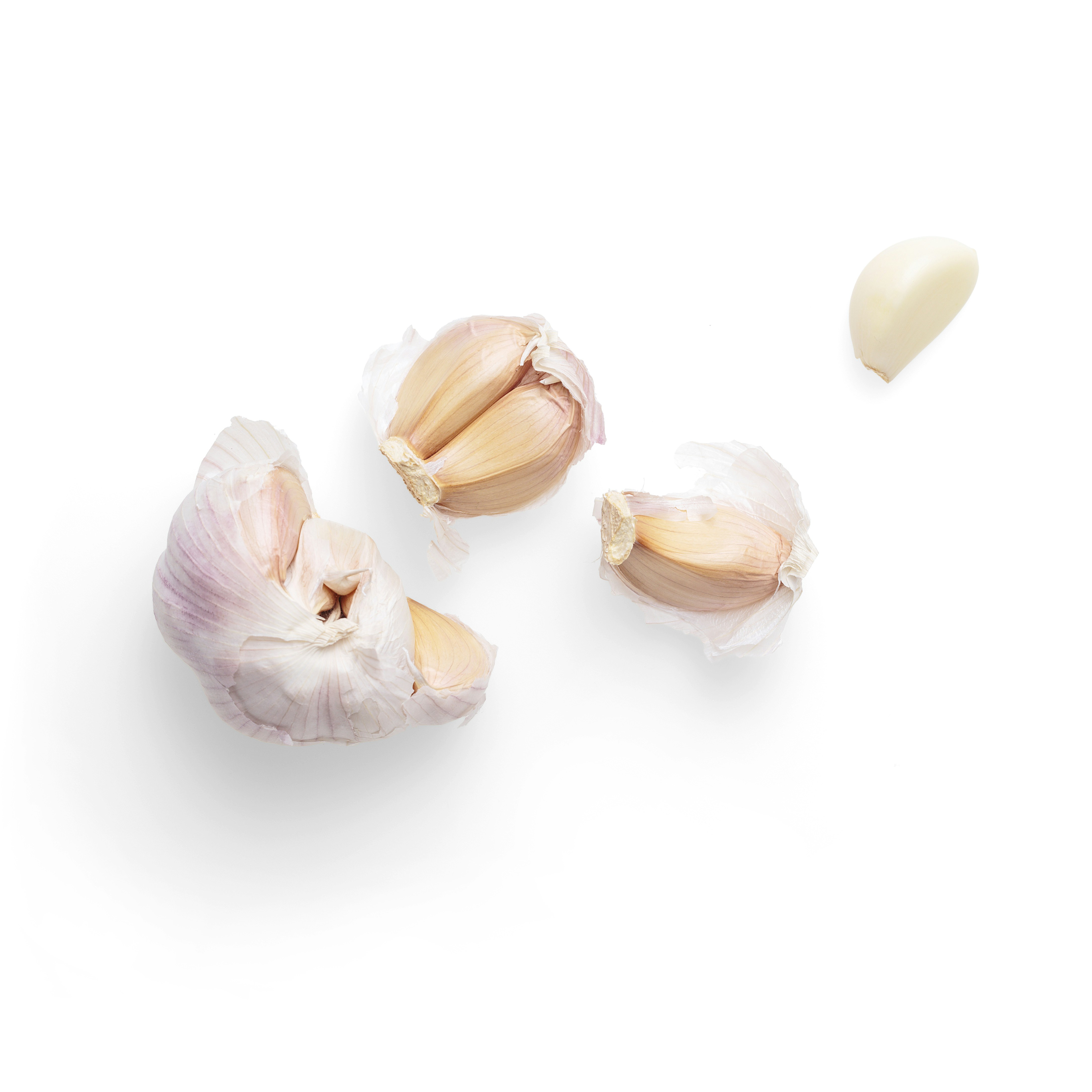


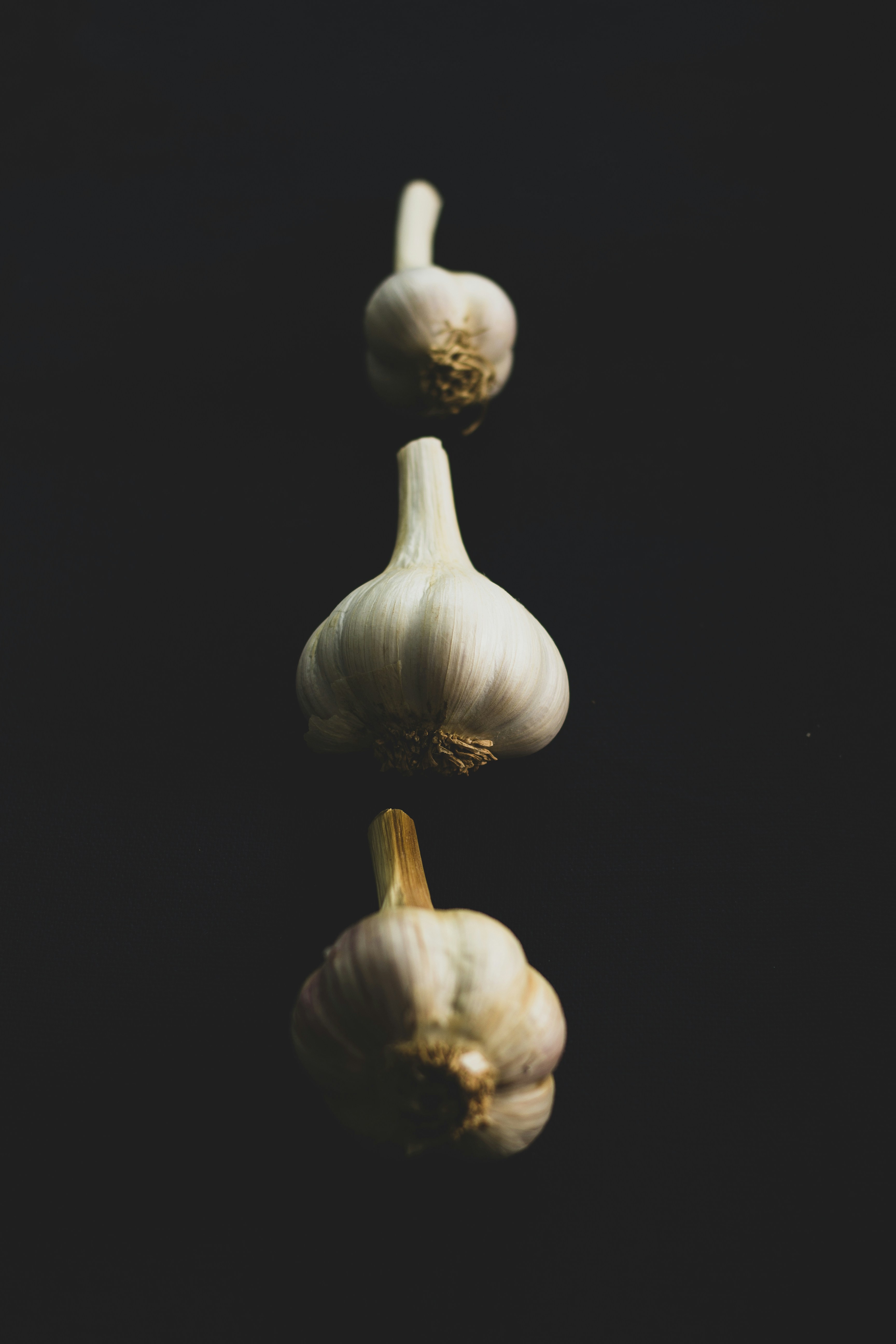
The 2025 garlic export season marked a turning point for Uzbekistan's place in the global agro-commodity market. Official data from the State Customs Committee indicates that garlic exports exceeded historical averages by a significant margin, driven by expanded cold storage capacity, streamlined customs procedures, and a growing network of registered trading intermediaries.
What Changed in 2025
Three years ago, the majority of Uzbek garlic destined for Eastern Europe moved through informal channels — fragmented, undocumented, and vulnerable to quality inconsistencies. The progressive formalisation of export activity, incentivised by a combination of government export subsidies and EU food safety requirements, has shifted this landscape considerably.
Today, buyers in Poland, Moldova, and Belarus increasingly demand documented origin, phytosanitary certification, and consistent grading. This has rewarded trading companies that invested early in supply chain discipline and discouraged those operating without proper infrastructure.
Implications for Buyers
For importers, the shift brings both opportunity and a new set of considerations. The growing pool of certified Uzbek exporters means more competitive pricing and better choice. But it also means that buyers need to assess counterparty reliability more rigorously — not all new entrants to the market have the operational depth to maintain consistency across a full season.
SIRELIS advises buyers to request documentation history, ask for references from prior season buyers, and where possible, conduct or commission an on-site audit before committing to first-season contracts.
Outlook for 2026
Early harvest indicators for the 2026 garlic season are positive. Weather patterns in the Fergana Valley through spring 2026 have been favourable, and several farms in SIRELIS's network have reported healthy crop development.
Buyers interested in securing 2026 season volumes are encouraged to make contact now. Early booking ensures access to preferred calibre and packaging configurations before peak demand in June and July.